Peak season is won before the first crowded weekend. An ice cream vending location needs more than a machine and an empty patch of floor. It needs a clear operating routine, a sensible place in the customer journey, enough room for people to wait, and a team that knows what to check every day. When those pieces are set up early, the summer feels calmer for the operator and easier for the customer.
Choose a place where people naturally pause
Footfall matters, but it is not the whole story. A fast corridor can bring thousands of people past a site while giving nobody time to notice an offer. A better location has a natural pause. Think of a cinema lobby, a family entertainment centre, a mall leisure zone, an airport waiting area, or the route between a food court and an attraction. People in those places are often waiting, browsing, or looking for a small treat.
Visit the proposed spot at different times. A quiet weekday morning shows staff access and visibility. A weekend afternoon shows how families move through the space. The period immediately after a film, game, or event tells you whether a queue would obstruct another tenant. Watch from the customer’s perspective. Can they see the machine from ten metres away? Is there enough space to make a selection without standing in the main walkway? Is there a nearby point where a parent can wait comfortably?
Before confirming a location, discuss power, ventilation, cleaning access, loading routes, and network coverage with the property team. These questions are less exciting than a launch design, but they prevent expensive last-minute changes. The product specification and installation guidance should always take priority over assumptions made from another site.
Assign a local owner for every operating day
Self-service does not mean ownerless. The strongest locations have one named person for the opening check and another person or role for escalation. They do not need to repair the equipment. They need to know what normal operation looks like, where consumables are held, and what information to collect if something interrupts an order.
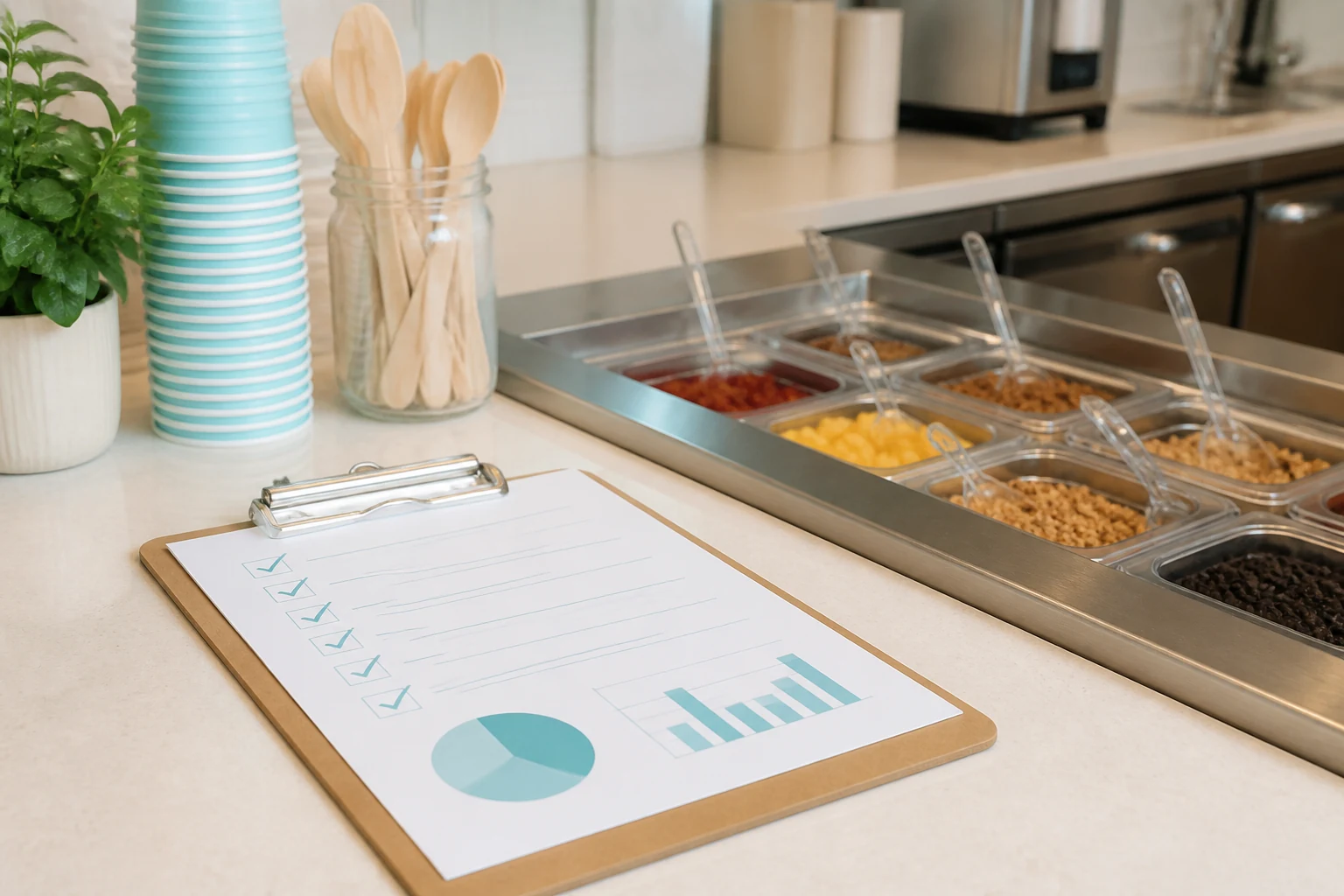
Keep the daily checklist short. Check that the display and collection area are clean, that the customer pathway is unobstructed, and that cups and other approved consumables match the expected traffic. Look for unusual noise, visible damage, warning messages, or any sign that an earlier order did not complete. A brief log is valuable. It allows an operator to distinguish a rare interruption from a repeated pattern.
Treat food handling as an operating responsibility
Frozen desserts are food, so the site should approach them with the same care as any other food-service point. Responsibilities depend on the market, the property, and local regulations. The FDA Food Code is a credible reference for food-safety thinking in the United States, but it does not replace local requirements or the manufacturer’s written procedures.
Write down who handles replenishment, who checks the surrounding customer area, and who has authority to call for service. Keep consumables protected and organised. Use cleaning materials and schedules approved for the equipment. Site staff should never improvise inside electrical or refrigerated parts. Clear boundaries are safer for staff and preserve useful diagnostic information for the support team.
At the end of each day, record stock use, cleaning completed, customer questions, and failed or abandoned transactions. This takes only a few minutes. It makes remote support more effective because the report contains a time, a symptom, and an operating context rather than a vague statement that the machine stopped.
Use the first two weeks to learn the local pattern
Do not guess the replenishment level from opening-day excitement. Track the first two weeks by day and hour. Include weather, nearby events, cup usage, orders, incomplete orders, and stock-outs. A school holiday or a children’s event may create a demand pattern that does not exist on an ordinary Tuesday. A cinema may become busiest in the half-hour before and after particular screenings.
Use the data to make small adjustments. If a Friday evening runs short of consumables, prepare earlier rather than leaving more stock exposed at the machine. If customers frequently stop at the same part of the ordering flow, inspect the instruction or the position of the display. If one flavour regularly sits unused, it may be a local product-fit issue rather than a reason to change the whole site.
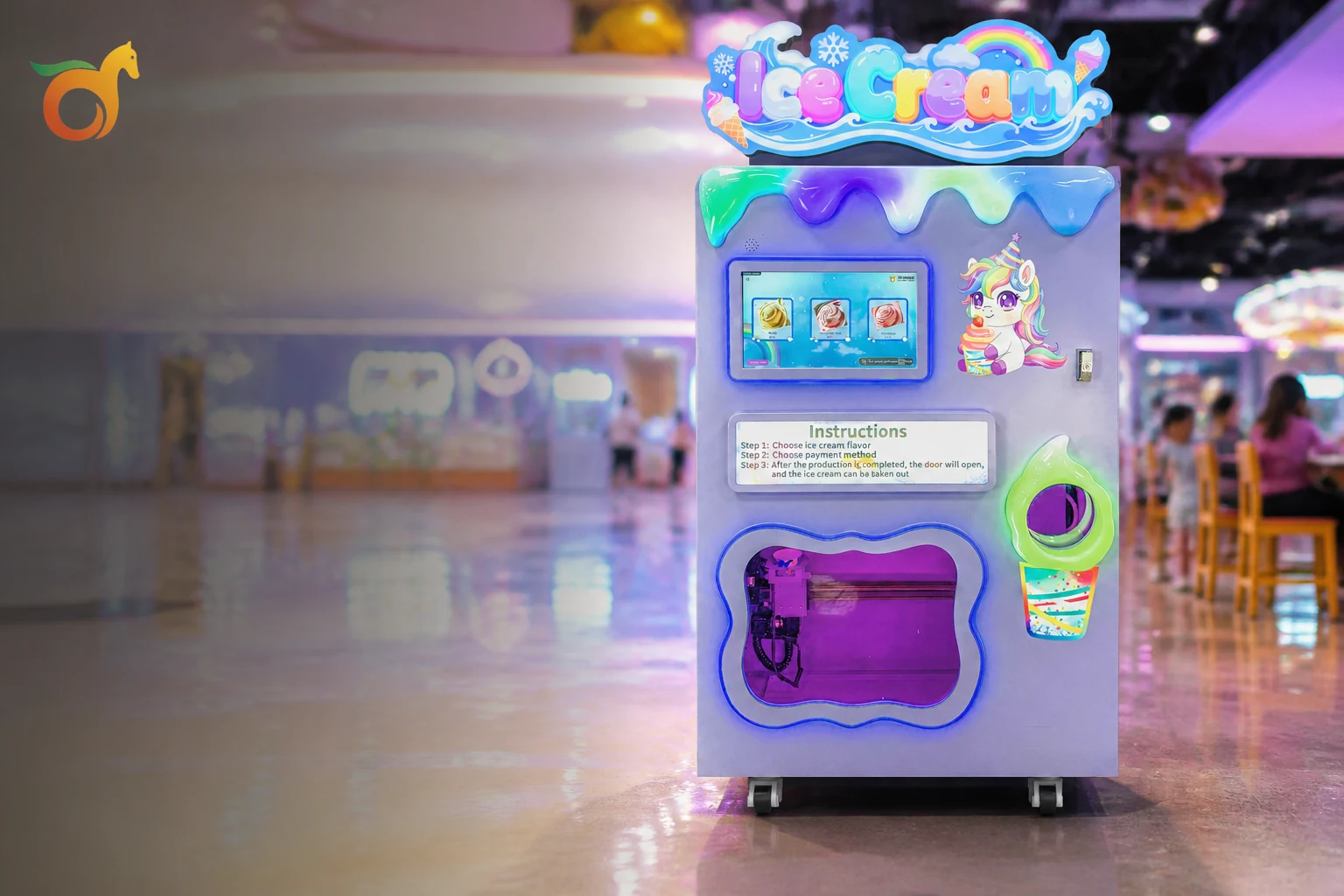
For operators comparing configurations, the ice cream vending machine range is a useful starting point for discussing capacity and location requirements. The correct setup should be chosen around the actual site, its traffic pattern, and the practical ability to restock and service it.
Design for visibility without creating congestion
A machine should be easy to find, but a crowded presentation often works against the customer. Give the machine a clean zone, a visible approach, readable on-machine instructions, and enough space for one person to order while another waits. If the queue blocks a neighbouring store or a fire route, discuss a revised placement with the property manager before peak season begins.
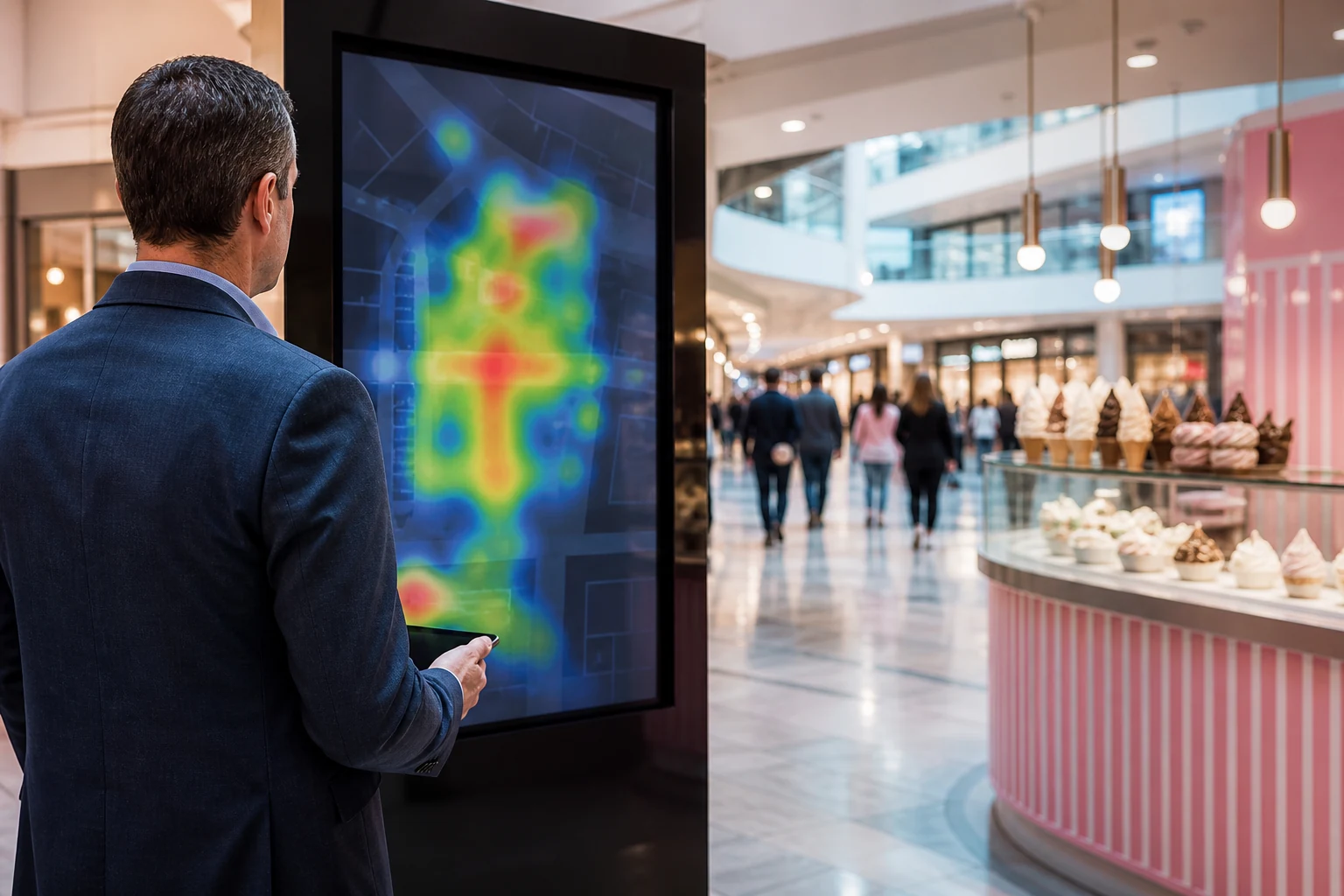
Review the position after the first busy weekend. The best answer may be a small change, such as moving the unit closer to a waiting area, improving sightlines, or keeping the immediate surroundings clearer. A good location is not one that looks busy in a photograph. It is one that customers can use easily and site staff can support consistently.
Prepare the escalation path before something goes wrong
Create a short contact list that includes the local operator, the venue contact, the person who can approve access, and the supplier support channel. When a problem is reported, include the time, any on-screen message, whether a payment completed, and a photo when appropriate. That gives support a starting point and reduces repeated questions.
A calm summer operation is built from ordinary habits: a visible site, a small opening checklist, accurate records, suitable food-handling procedures, and a clear service path. If you are planning a site, contact Grass Sprout to discuss the operating environment, or review the broader self-service vending solutions before making a layout decision.