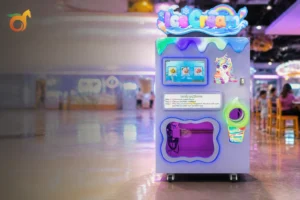
In 2026, the most useful retail AI conversation is about execution. Operators need systems that turn current signals into responsible action, while leaving room for the local knowledge that a dashboard cannot always see. The goal is not more automation for its own sake. It is a clearer operating rhythm across unattended retail locations.

Start with the operating question
Retail AI becomes valuable when it supports daily decisions about inventory, service, and customer experience rather than remaining an isolated pilot. is easier to manage when the team begins with a specific question rather than a vague target. The useful question is what decision must be made, who owns it, and what evidence is available at the location. This keeps the work connected to actual customer experience, not a spreadsheet that is reviewed after the opportunity has passed. It also makes site conversations more productive because staff can describe an observation in a format that leads to a clear next step.
A practical review includes the time of day, traffic pattern, local events, customer behaviour, and the physical condition of the site. These details matter because identical equipment can behave differently in a campus, airport, shopping centre, or entertainment venue. Operators should record short notes consistently. A small set of accurate notes taken each day is more useful than a large report written after a busy month.

Make the customer journey easy to understand
Customers do not see the internal process. They see whether the offer is visible, whether the choice is clear, and whether they can complete the interaction without asking for help. Walk the route as a customer would. Check sightlines, waiting space, screen readability, collection access, and the distance to the nearest competing distraction. An attractive feature can be missed if it is positioned where people never pause.
Observe a busy period before making changes. Watch for the point where people hesitate or leave. It may be an unavailable option, a confusing instruction, a queue that feels uncomfortable, or simply a weak line of sight. Do not change five variables at once. Choose one improvement, measure it for a defined period, and then decide whether it solved the actual problem.

Use local knowledge without losing discipline
Data can show patterns, but local staff often know why a pattern appeared. A venue may host a concert, close an entrance, change its opening hours, or receive a different mix of visitors during school holidays. Give that knowledge a clear path into the operating process. A short exception note can explain a surprising day and prevent an automated recommendation from being interpreted without context.
That does not mean every observation should produce an immediate change. Strong operations distinguish between a one-off event and a recurring signal. Set review dates for stock, customer questions, operating interruptions, and location feedback. Keeping the schedule predictable makes adjustments calmer and avoids reacting to one unusually busy afternoon.
Assign ownership before the peak period
Self-service equipment still needs clear ownership. Decide who checks the site at opening, who replenishes approved consumables, who records exceptions, and who contacts support. Each person should know the limit of their role. Site teams should not improvise with protected components or change technical settings without approved instructions. Clear responsibility protects customers, staff, and the quality of the diagnostic information sent to support.
Review the evidence every week
A weekly review should be short enough to happen. Look at availability, completed transactions, stock-outs, repeated errors, customer questions, and site feedback. Ask what changed, what the team learned, and what single action should be tested next. This creates a record that is useful for the property partner and for future locations. It also stops a team from relying on memory when decisions need to be explained later.
When a location performs well, identify the practical reason. It may be a clearer approach, a better restocking rhythm, a more relevant assortment, or a staff member who notices small problems early. These lessons are transferable, but they should be adapted to the next site rather than copied blindly. The purpose of an operating guide is to support judgment, not to replace it.
Build for reliability, not novelty
The most sustainable improvement is usually the one that makes a routine easier to complete. A tool or process should reduce delay, clarify responsibility, or give the team better information at the point of action. If it adds another screen, another handoff, or another unclear report, it may create friction even if the technology looks impressive. Reliability is part of customer experience.
For more information about the equipment and site-planning options, visit Grass Sprout product information or contact the team. Industry context is available from this authoritative source. The best next step is a focused review of the location, the workflow, and the people responsible for each daily action.
Keep the improvement cycle practical: observe the site, record a specific fact, agree on one responsible action, and review the outcome in the next operating meeting. This approach keeps decisions grounded in customer needs and helps the team learn from normal daily work instead of only from problems.
Keep the improvement cycle practical: observe the site, record a specific fact, agree on one responsible action, and review the outcome in the next operating meeting. This approach keeps decisions grounded in customer needs and helps the team learn from normal daily work instead of only from problems.
Keep the improvement cycle practical: observe the site, record a specific fact, agree on one responsible action, and review the outcome in the next operating meeting. This approach keeps decisions grounded in customer needs and helps the team learn from normal daily work instead of only from problems.
Keep the improvement cycle practical: observe the site, record a specific fact, agree on one responsible action, and review the outcome in the next operating meeting. This approach keeps decisions grounded in customer needs and helps the team learn from normal daily work instead of only from problems.