Introduction: The Rise of Self-Service Vending Machines
The global retail landscape is undergoing a quiet but powerful transformation. As labor costs rise, consumer habits shift, and technology advances, self-service vending machines are rapidly evolving from simple snack dispensers into fully automated retail solutions. In 2026 and beyond, vending machines are no longer just about convenience—they represent a scalable, data-driven, and highly profitable business model.
From smart snack vending to customized phone case printing, cotton candy robots, and fresh food kiosks, the vending machine industry is redefining how products are sold, delivered, and experienced.
What Is a Modern Self-Service Vending Machine?
A modern vending machine is far more than a coin-operated box. Today’s machines integrate:
- Touchscreen interfaces
- Mobile payments (QR code, credit card, NFC)
- Cloud-based inventory management
- AI-driven consumer data analytics
- Remote monitoring and restocking alerts
These innovations allow operators to run 24/7 automated retail businesses with minimal labor and overhead.
Why the Vending Machine Industry Is Growing So Fast
Several global trends are accelerating the growth of the self-service vending machine market:
1. Rising Labor Costs
Businesses worldwide are looking for ways to reduce dependence on human staff. Automated vending eliminates recurring labor expenses while maintaining consistent service.
2. Demand for Convenience
Consumers increasingly expect fast, frictionless purchases. Vending machines offer instant access—no lines, no waiting, no store hours.
3. Urbanization and High-Traffic Locations
Shopping malls, airports, hospitals, schools, gyms, and office buildings are ideal environments for vending machines, providing steady foot traffic and impulse purchases.
4. Personalization and Custom Products
New vending concepts allow customers to customize products on the spot—such as phone cases, souvenirs, or gifts—creating higher perceived value and profit margins.
Popular Types of Profitable Vending Machines
The vending industry has diversified far beyond snacks and drinks. Some of the most profitable segments include:
Smart Food & Beverage Vending
- Snacks, soft drinks, coffee, ice cream, smoothies
- High margins due to low ingredient costs
- Ideal for offices, campuses, and transport hubs
Specialty Product Vending
- Phone case printing vending machines
- Cosmetics and beauty vending
- Electronics accessories and gadgets
Entertainment & Experience Vending
- Cotton candy vending machines
- Toy and capsule vending
- Puzzle or gift vending machines
These machines turn vending into an interactive experience, increasing dwell time and customer engagement.
Key Advantages for Operators and Investors
Operating a vending machine business offers several unique benefits:
- Low startup cost compared to traditional retail
- Scalability: one machine can become a network
- Passive income potential
- Data-driven decisions using real-time sales data
- Flexible placement and relocation
With the right product and location, a single vending machine can generate consistent monthly revenue with minimal daily management.
Technology Is Driving the Next Generation of Vending
The future of vending is smart, connected, and intelligent. Emerging trends include:
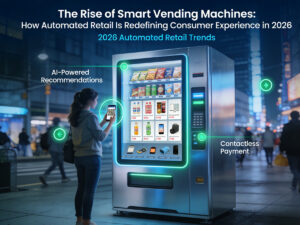
- AI-powered product recommendations
- Dynamic pricing based on demand
- Facial recognition (where legally permitted)
- Integration with loyalty programs and apps
- Cashless-only, fully contactless operation
These features not only improve the customer experience but also help operators optimize pricing, inventory, and machine performance.
Choosing the Right Location: A Critical Success Factor
Even the best vending machine needs the right placement. High-performing locations typically share these traits:
- High foot traffic
- Limited nearby retail options
- Clear visibility
- Audience aligned with the product
Examples include airports, subway stations, hospitals, tourist attractions, universities, and large office complexes.
The Future Outlook of the Vending Machine Industry
According to industry forecasts, the global vending machine market is expected to continue strong growth through 2030. As smart retail and unmanned stores become mainstream, vending machines will play a central role in micro-retail ecosystems.
For entrepreneurs, distributors, and investors, now is the ideal time to enter or expand within the vending machine industry. The combination of automation, customization, and convenience makes self-service vending one of the most resilient retail models in the modern economy.
Conclusion
Self-service vending machines are no longer a niche business—they are a core component of the future retail infrastructure. With lower operational costs, strong profit potential, and endless product innovation, the vending machine industry offers a powerful opportunity for businesses looking to scale smartly in a rapidly changing world.
Whether you are launching your first machine or building a global vending network, embracing smart vending technology is no longer optional—it’s essential.
Related Posts
- Is the Ice Making Business Profitable? How to Build a Successful Snowflake Ice Vending Machine Brand
- Why Ice Cream Trucks Are Losing Ground — And How Self-Serve Ice Cream Vending Machines Are Shaking Up the Market
- What Is the Most Profitable Vending Machine Item? The Surprising Power of Cotton Candy
- The Rising Demand for Custom Phone Cases: Why Self-Service Printing Vending Machines Are the Future
- Is the Vending Market Oversaturated? Not for Niche Innovators Like Phone Case Printing Machines
- Is Cotton Candy a Good Seller? Discover Why Cotton Candy Vending Machines Are a Smart Business Choice
- Why Buying a Cotton Candy Vending Machine Is Better Than Renting: Maximize Profits Faster
- Mobile Phone Case Printer vending Machine: A Smart Investment for Creative Entrepreneurs?