1. Industry Overview and Definition
A fully automated smart vending machine is an advanced self-service retail system that integrates IoT, AI, cashless payments, and cloud management to sell products with minimal human intervention. Unlike traditional mechanical vending machines, smart vending machines are data-driven, remotely managed, and scalable, making them ideal for modern vending machine operators and investors.
Traditional Vending Machines vs. Smart Vending Machines
Traditional vending machines rely on mechanical dispensing, fixed inventory, and manual restocking schedules. In contrast, smart vending machines offer:
- Real-time inventory monitoring
- Remote diagnostics and cloud management
- Cashless and contactless payments
- AI-based sales optimization
The result is lower operating costs, reduced labor dependency, and higher profit margins—key reasons why the vending machine industry is rapidly upgrading.
Product Categories
Smart vending machines now serve multiple sectors, including:
- Food and beverages
- Fresh food and snacks
- Pharmaceuticals and PPE
- Electronics and phone accessories
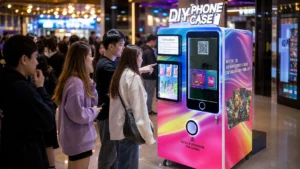
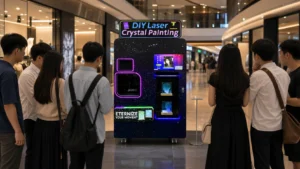
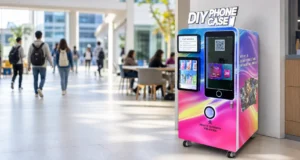
- Customized products (phone cases, cosmetics)
2. Global Market Status and Growth Outlook (2024–2030)
The global smart vending machine market is experiencing strong and sustained growth through 2030, driven by automation and consumer demand for convenience.
Regional Market Overview
- North America: Mature market with high adoption of cashless and AI vending solutions
- Europe: Strong regulatory compliance and sustainable vending initiatives
- Asia-Pacific: Fastest growth, led by China and Japan’s smart retail ecosystems
- Emerging Markets: Rising labor costs and urbanization accelerating adoption
Key Market Drivers
- Rising labor costs pushing businesses toward unmanned retail
- Growing demand for 24/7 convenience
- Rapid advancements in AI, IoT, and mobile payment technologies
- Post-pandemic preference for contactless shopping
For investors, vending machines offer a rare combination of predictable cash flow and low operational risk.
3. Technology Innovation and Core Capabilities
Key Technological Breakthroughs
- Computer Vision & AI Recognition: Enables accurate product identification and theft prevention
- Smart Inventory Systems: Automatic restocking alerts reduce waste and labor
- Energy-Efficient Design: Optimized power usage lowers long-term operating costs
- Multi-Modal Interfaces: Touchscreens, voice prompts, and intuitive UI improve user experience
Payment and Data Systems
Modern vending machines support:
- Mobile payments (Apple Pay, Google Pay, QR code payments)
- Facial recognition payment (region-specific)
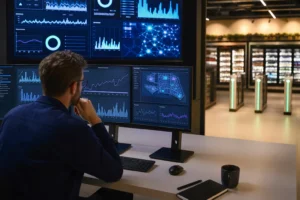
- Cloud-based dashboards for sales tracking and pricing optimization
These features allow operators to manage hundreds of machines remotely, saving time and manpower.
4. Application Scenarios and Business Models
High-Profit Deployment Locations
- Airports and subway stations
- Office buildings and business parks
- Shopping malls and hotels
- Hospitals, factories, and residential communities
These locations generate consistent foot traffic with minimal marketing costs.
Scalable Business Models
- Machine Sales + SaaS Management
- Revenue Sharing with Location Owners
- Advertising and Screen Monetization
- Membership and Subscription-Based Sales
Compared to traditional retail, vending machines require no rent, no staff, and no daily supervision, making them ideal for passive income strategies.
5. Consumer Behavior and Acceptance
Consumers increasingly prefer vending machines for their:
- Speed and convenience
- Cashless payment options
- Transparent pricing
- Touch-free interaction
Younger generations show higher acceptance of AI vending, while clear privacy policies and secure payment systems help build trust across all age groups.
6. Challenges and Risk Management
Operational Challenges
- Restocking logistics (solved by smart alerts)
- Equipment maintenance (minimized via remote diagnostics)
- Seasonal demand fluctuations
Regulatory Considerations
- Data privacy compliance (GDPR, CCPA)
- Food safety and product liability
- Local placement permits
Choosing compliant hardware and software partners significantly reduces these risks.
7. Future Trends and Opportunities
Technology Trends
- AI-driven demand forecasting
- Robotic restocking and automated maintenance
- Sustainable materials and energy-saving systems
Market Opportunities
- Emerging markets with rising labor costs
- Specialized vending (pharmacy, beauty, luxury goods)
- Community-based “last-mile” retail solutions
By 2030, smart vending machines are expected to evolve into fully autonomous retail networks offering personalized products and health-focused solutions.
8. Investment and Entrepreneurship Insights
Why Smart Vending Is a High-ROI Investment
- Low upfront operational cost
- Minimal labor requirements
- Fast deployment and scalability
- Predictable cash flow
Entrepreneur Opportunities
- Niche product vending
- Custom hardware or software solutions
- Regional distribution and operation partnerships
Smart vending machines are especially attractive for investors seeking high margins with low daily involvement.
9. Conclusion and Key Takeaways
Key Success Factors
- Strategic location selection
- Reliable smart vending technology
- Data-driven operations
- Low maintenance design
Actionable Advice
- Investors: Focus on scalable, AI-enabled vending solutions
- Entrepreneurs: Start with niche markets and expand via data insights
- Traditional Retailers: Use vending machines as cost-effective extensions
Over the next 3–5 years, the vending machine industry will shift decisively toward fully automated, intelligent, and low-maintenance retail models—making now an ideal time to enter the market.
Related Posts
- Machen Slush-Maschinen ihr eigenes Eis? Ein vollständiger Leitfaden für Geschäftsinhaber
- Steigende Nachfrage nach individuellen Handyhüllen: Warum Selbstbedienungs-Druckautomaten die Zukunft sind
- Is a Slush Vending Machine Worth It for Cold Drink Businesses
- Why Buying a Cotton Candy Vending Machine Is Better Than Renting: Maximize Profits Faster
- So starten Sie ein profitables Snowflake-Eisverkaufsgeschäft – Vollständiger Leitfaden
- Phone Case Vending Machines Have Emerged As a Modern Retail Revolution
- How to Turn Coca Cola into a Slushy with a Slush Vending Machine
- What Do You Need for a Slush Vending Machine? Essential Equipment and Ingredients Guide